
How to Begin Forex Trading: Your Ultimate Guide to Profiting from Forex?

Forex trading introduces a chance to profit from the movement of global currencies. It takes place in the foreign exchange market, where buyers and sellers trade one currency for another based on price changes. To begin forex trading and earn consistent results, a person must understand how the currency market works, choose the right broker, and apply sound risk management.
The foreign exchange market operates 24 hours a day across major financial centres. It allows individuals to trade currency pairs like EUR/USD or GBP/JPY with the goal of buying low and selling high. Successful traders study price patterns, track world events, and apply strategies that match their goals. A clear understanding of these basics builds confidence before real money goes into trades.
This guide walks through every step, from setting up a trading account to managing risk and applying proven strategies. It helps explain how forex trading works in simple terms so anyone can start with clarity and purpose.
Getting Started with Forex Trading
Forex trading lets individuals buy and sell global currencies for profit as prices shift. Traders study exchange rates, learn key terms, and use a trusted forex trading platform to place trades efficiently and securely. Knowing how the market operates and understanding trade terminology can help beginners trade more confidently.
What is the Foreign Exchange Market?
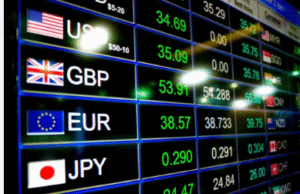
The foreign exchange market, or forex, is a global network where currencies are traded electronically. It has no central exchange. Banks, companies, and individual traders connect through online platforms to exchange one currency for another. The market operates 24 hours a day, five days a week, and provides liquidity unmatched by other financial markets.
Forex trading usually takes place through brokers that provide access to currency pairs and price data. A trader might exchange euros for U.S. dollars or Japanese yen for British pounds. Prices shift constantly as global demand, economic reports, and geopolitical news affect supply and sentiment. Even minor changes can create trading opportunities for both short-term and long-term strategies.
Understanding Currency Pairs and Quotes
Currencies trade in pairs such as EUR/USD or GBP/JPY. The first is called the base currency, and the second is the quote currency. A pair shows how much of the quote currency is needed to buy one unit of the base currency. For example, if EUR/USD = 1.1000, then one euro equals 1.10 U.S. dollars.
Traders can buy (go long) if they expect the base currency to strengthen or sell (go short) if they expect it to weaken. Major pairs often involve the U.S. dollar, while minor and exotic pairs include smaller or emerging-market currencies. Spreads represent the cost of trading and vary according to market activity. Reliable platforms display real-time quotes and allow quick order execution.
Basic Forex Trading Terms and Concepts
Several key terms help traders navigate the forex market effectively:
- Leverage allows control of a large trade size with a smaller deposit. It can increase both gains and losses.
- A lot defines the trade size, often 100,000 units of the base currency for one standard lot.
- Pip measures the smallest price change in a currency pair.
- Spread is the difference between the buy and sell price.
- A stop-loss order automatically closes a trade to limit potential loss.
Understanding these terms helps traders interpret price charts, calculate position sizes, and manage risk. Clear knowledge of these basics forms the foundation for consistent and disciplined forex trading.
Mastering Strategies and Risk Management
Learning to trade Forex demands both skill and discipline. Traders must choose suitable brokers and platforms, create a clear plan, apply market analysis, and manage risk with precision. Success depends on preparation, logic, and patience rather than luck.
Choosing a Forex Broker and Trading Platform
A trader’s broker sets the foundation for every trade. A forex broker should provide transparency, fast order execution, and clear trading costs. It is wise to check that the broker is properly regulated and keeps trader funds in separate accounts.
Platform choice influences comfort and speed in trading. Popular platforms such as MetaTrader 4, cTrader, and TradingView provide real-time forex charts, indicators, and automated features. A demo account helps new traders test each platform before risking money.
Traders should review available account types, leverage, and margin requirements. Too much leverage can magnify both gains and losses. A lower leverage ratio protects capital better in volatile markets. Choosing a platform that provides both user-friendly tools and strong charting functions leads to more informed trading decisions.
Developing a Trading Plan and Managing Risk
A structured trading plan guides decisions under pressure. It defines trade setups, entry and exit rules, risk levels, and daily trading limits. A written plan also reduces emotional decisions that often result in overtrading.
Risk management keeps losses small enough for long-term progress. Many traders risk no more than 1–2% of their capital per trade. Setting a stop-loss order and a take-profit target before entering a position provides control even in volatile markets.
By staying consistent, traders avoid emotional mistakes. Trades that fit the plan should be taken, and setups outside of it should be ignored. This simple rule helps maintain steady growth and prevents large drawdowns. A plan backed by discipline separates a professional from a gambler.
Technical and Fundamental Analysis Basics
Technical analysis uses charts and indicators to measure price movement. Common tools include moving averages, MACD, RSI, Bollinger Bands, and Fibonacci retracement levels. These tools show entry and exit points and reveal the strength of market trends.
In contrast, fundamental analysis studies economic and political events. Interest rates, economic news, employment reports, and inflation data often move currency prices. Traders who understand how these events affect currencies can plan ahead of announcements rather than react afterwards.
Both methods complement each other. Technical tools provide timing signals, while fundamental data shows why markets move. Together, they create a balanced view of market analysis that guides better trading decisions.
Popular Forex Trading Strategies
Traders follow different forex trading strategies based on their time, goals, and risk tolerance. Day trading focuses on short intraday moves, while scalping takes advantage of small price changes within minutes. Swing trading looks for medium-term trends that last several days, and position trading targets long-term growth over weeks or months.
Each method requires strict rules to enter and exit trades. Scalpers and day traders need quick reactions and tight stops, while position traders rely more on fundamental data and patience.
By testing different styles in a demo account, traders can find which strategy suits their personality and schedule. Adapting one approach and applying consistent risk management often leads to steady improvement over a trader’s forex trading journey.
Conclusion
Forex trading provides access to a global market with constant opportunities. Beginners can start small, learn how currency pairs move, and apply strategies that suit their goals. Each trader develops skills through practice, discipline, and consistent review of market trends.
Successful traders treat forex as a long-term effort. They track results, adjust plans, and remain alert to economic shifts that influence exchange rates. This thoughtful approach helps reduce risk and increases the chance of consistent progress.
In simple terms, forex requires knowledge, patience, and control. Anyone ready to study the market and manage risk carefully can take steady steps toward profit.